ABI 198 Section A - Session 1!
Day one complete! Marshall talked to everyone about the course setup, course philosophy, safety, and potential field sites. There were more slides from Ryan and Marshall than there should be for the rest of the course (yay!). You can find Marshall's slides from today under the Miscellaneous folder in the google drive.

Aims:
- Intro this course
- Begin to meet each other
- Check out lab spaces
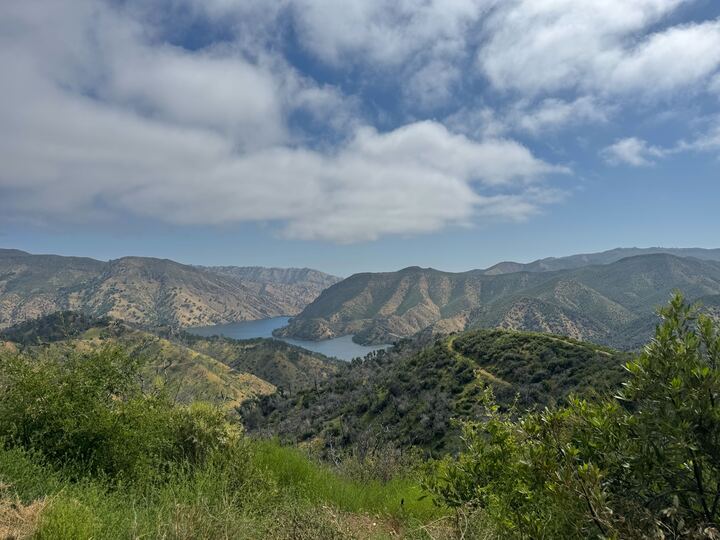
- Pick a field location for Thursday (4/2/26)
What we did:
Reach out to Ryan or Marshall if you need help or have any questions about anything above!
Course Outline:
Goals
The central goal of this class is to conceptualize, develop, and perform a novel, innovative research project focused on the field ecology of animals.
Structure
Each day there will be an MC (Marshall this class day) and a blogger (Ryan this class day).
The MC will direct everyones efforts throughout the day, give an initial safety briefing in the field, and delegate tasks/ask for volunteers.
The blogger will take notes on the days activities, and plan for the next class. They are responsible for the blog you are reading right now. The blogger takes over after each class and sends a debrief and action item message in Discord. They should put the blog up a maximum of 24 hours after class.
Each student will be a blogger and an MC once. You will be an MC the class immediately following being the blogger.

See here for signups and MC/Blogger schedules
Indoor facilities/equipment
Two lab spaces, both in Briggs. One in the basement, one on the first floor. We already have some ecology, entomology, microbiology, etc. tool. We also have $1000 that can be put towards equipment if need be.
Basement lab space:
Scales! Field supplies! Containers! Microscopes! etc.


How to do ecology - and science in general:
In this class you have 3 weeks to discuss and decide on a project as a group. You are very much in the "Observe and Wonder" part of the diagram below, and will soon move into the other steps. Collaboration is key to all of these steps

Especially in ecology, one of the best ways to develop questions is just to go out into a system you may be interested in and watch the organisms around you. Writing down simple questions about them that pop into your head along the way will be useful. Reading and thinking about these questions can lead to further, more robust questions.
Our class book is designed specifically to help you through this process! See below.
How to Do Ecology (the book for this class):
The first six chapters of this book are available in the shared Zotero library. We will discuss the first two chapters on Thursday. They have great advice on how to develop and pose hypotheses so that they are feasible, novel, and interesting. Later chapters of the book will help with testing those hypotheses and analyzing data.
Next Class (4/2/26):
Before class:
- Read How to Do Ecology: Chapters 1 and 2
- Sign up/download/join Zotero, Discord, Blogger, and R + R Studio
- Read this blog (done!)
- Pick a scientific paper from the Zotero library and read it
- Things to bring
- Pencil + notebook
- Shoes that can get dirty
- Water and lunch
- Any personal items you will need for 6 hours
Meeting location: Parking lot across from Briggs hall, called Non-Visitor Parking Lot 26. Here is the google maps link to it.
Meeting time: 10 am - make sure you're on time!
Goals:
- Check out some of the organisms in the Yolo Bypass/Wetlands
- Practice ecological observation
- Discuss observations
- Develop early project hypotheses and ideas
Tentative Agenda (subject to change):
10:00 AM - Meet
~10:30 Arrive at Yolo Bypass/Wetlands
~10:35 Site intro and safety briefing
10:50 Create groups
11:00 Vertebrae Observations in groups
11:45 Invertebtrate observations in groups
12:30 Lunch
1:00 Discuss observations/questions
1:30 Generate hypotheses
2:00 Directed observations based on agreed upon hypothesis
3:00 Regroup and discuss findings
3:25 Head back to campus!


Comments
Post a Comment